


VR Mindfulness Linked to Reduced Student Procrastination
Immersive virtual reality mindfulness practices could help students overcome chronic procrastination, improve academic performance and support wellbeing, according to research led by London Metropolitan University.
A 12-week pilot trial found that students who took part in VR mindfulness sessions experienced about a 40 per cent reduction in academic stress and around 29 per cent in academic procrastination. The study also recorded significant increases in student involvement and self-efficacy during the trial.
Academic procrastination is the voluntary delay of necessary tasks despite expecting negative consequences. Previous research has identified it as a major barrier to student success, linked to student disengagement and dropout rates.
Cognitive behavioural therapy remains the most widely used intervention for chronic procrastination, while mindfulness has also attracted increasing research interest. Mindfulness is based on deliberate awareness of the present moment and acceptance of internal thoughts, feelings and bodily sensations.
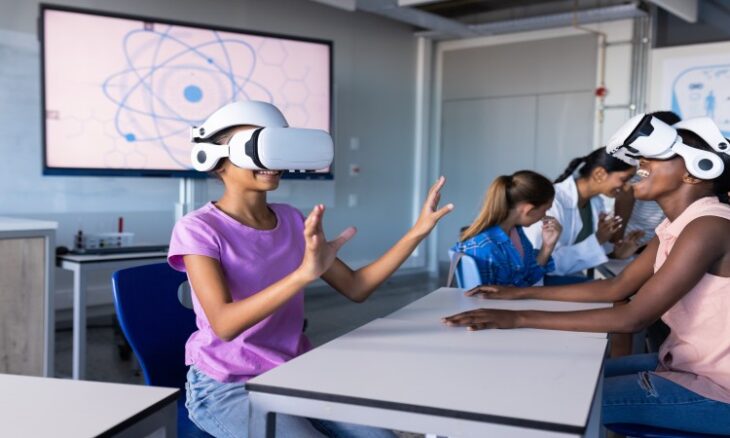
The study, published in Applied Psychology Research, involved 30 UK-based undergraduate and postgraduate students. Participants used Meta Quest 3 headsets to access TRIPP, a virtual reality mindfulness platform.
The researchers divided participants into two groups to measure the intervention’s impact. An active group began the VR mindfulness sessions immediately, while a delayed group started later. This arrangement allowed researchers to compare outcomes between students who had begun the sessions and those who had not yet taken part.
Participants completed weekly 25-minute immersive sessions covering goal setting, decision-making, present-moment focus and breathwork. Participants also used an artificial intelligence mindfulness app to support independent practice between sessions.
Researchers monitored heart rate, academic stress, procrastination, engagement, self-efficacy and mindfulness throughout the study period. Across the trial, academic procrastination and stress decreased substantially, while self-efficacy and engagement increased significantly as students took part in the mindfulness sessions.
The data show that VR mindfulness tools could be used in higher education settings to reduce student procrastination and support longer-term academic engagement. However, the study was a pilot trial, and the researchers identified areas requiring further investigation.
Research into mindfulness and academic procrastination is continuing to develop, while registered trials involving virtual reality remain relatively rare. The study therefore examined an area where evidence remains limited, notably regarding VR-based mindfulness interventions.
The researchers also noted that the mechanisms behind the observed changes are not yet fully understood and require further investigation. Larger, more diverse samples could deepen understanding of how the intervention affects students and help researchers develop more targeted approaches.
London Metropolitan University conducted the research in partnership with Cadiz University in Spain. Its authors included Olaide Phillips and Professor Chris Chandler of London Metropolitan University, and Professor Javier del Rio Olvera of Cadiz University. Professor Samantha Banbury, Senior Psychology Lecturer at London Metropolitan University, was the corresponding author.
The study also considered how the VR environment may support mindfulness practice. The approach does not suit everyone, and some individuals may experience problems such as motion sickness.
Its immersive visuals and accompanying sound may help participants maintain attention by reducing exposure to external visual and environmental distractions. Fewer competing distractions may make it easier for participants to focus on mindfulness during the sessions.
The researchers also distinguished between immersive VR practice and conventional mindfulness delivered through a screen. Rather than simply presenting mindfulness content visually, VR creates a sensory environment intended to support engagement with the practice.
The findings link participation in the sessions with lower academic stress and procrastination and higher self-efficacy and engagement across the 12-week trial. Further research, particularly with larger and more diverse groups, is needed to better understand the processes behind these changes and the potential use of VR mindfulness in higher education.