


VR and New Technologies Spotlight Marine Pest Threats
The 2026 Auckland Boat Show spotlights hands-on technology, protective coatings, and advanced research, all of which are driving new attempts to combat marine pests and biofouling on boats.
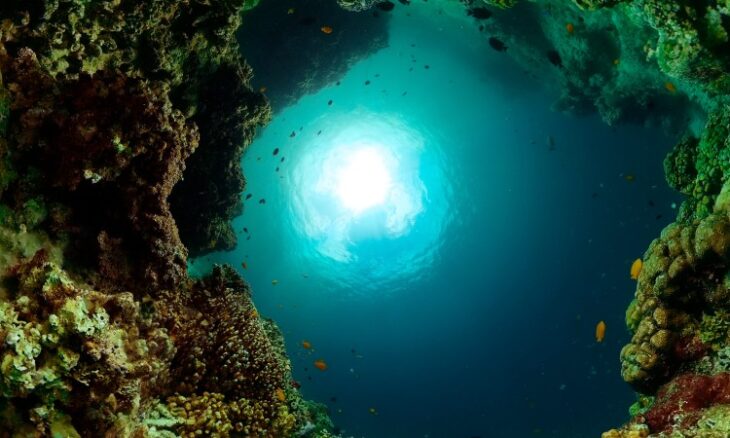
Blake NZ developed an immersive virtual reality experience for the exhibition. ‘Clean Below?’ and ‘The Good to Go’ campaign introduced the presentation to the show. Through this virtual experience, visitors can enter undersea environments featuring several New Zealand dive and snorkelling locations.
Locations featured in the presentation include the Poor Knights Islands and the Aldermen Islands, with programmes also highlighting marine pests found in New Zealand waters. The display features species such as exotic caulerpa and Mediterranean fanworm. Both can spread fast and take over areas where native marine life lives.
The experience aims to raise awareness and highlight the importance of clean hull maintenance for boat owners.
Guidance includes proper antifouling and cleaning of boats and equipment to reduce the spread of marine pests. Marine pests can establish quickly in new environments. Recreational boating and fishing activities can be affected when invasive species spread.
Representatives from the Clean Below? and The Good to Go initiative will attend the event. They will explain how biofouling develops on vessel hulls. Boat owners will get maintenance advice to help prevent the spread of marine pests along the coast.
Special Hempel coatings designed to keep hulls clean will also be on display at the exhibition. Two of these coatings are called Hempaguard X7 and Silic One. Older types of antifouling paints and coatings designed to prevent unwanted marine growth often contain chemicals that kill marine organisms.
Silicone-based coatings smooth hulls, making it difficult for marine organisms to attach, allowing some to wash off when the boat moves. Light cleaning can remove additional organisms that settle on the surface. Reduced fouling buildup can help maintain smoother hull surfaces.
Observations from vessels operating in Northland waters have indicated reduced barnacle growth in some cases.
A vessel named Valinor was coated with Hempaguard X7 in December 2024 and subsequently remained moored in Opua for prolonged periods due to mechanical issues. Inspectors reported that the hull remained largely clean during that time. Barnacles and oysters appeared mainly on skin fittings. These parts experience very little friction while the vessel is stationary.
Researchers will also present work on new methods for detecting marine pests. A team from the University of Auckland did a study with help from Kōtare. They used underwater robots in their research.
The researchers also looked at computer systems that can recognise images and tools that use artificial intelligence. Earlier computer vision systems identified very clean hulls with reasonable accuracy. Heavily fouled surfaces were also detected successfully. Performance declined when fouling appeared in the early stages.
The experts tested computer programs that use artificial intelligence and language skills with the Level of Fouling rules. These programs estimated hull growth and wrote short descriptions. The research showed that combining image analysis and artificial intelligence could help identify marine pests more accurately.
Developers are currently building autonomous underwater vehicles that record underwater images without divers. Those systems could support monitoring programmes across marinas and coastal regions. Updated guidance for the Level of Fouling scale, a system to rate the extent of marine organism coverage on a hull, supports these monitoring efforts. The Cawthron Institute reviewed the framework.
The six-category scale first appeared in 2002. Inspectors use the system to estimate the proportion of hull surface covered by fouling. Surveillance teams and marina operators can assess biofouling levels without identifying individual species.
Recreational vessels often move between marinas, ports and anchorages. Marine organisms can travel between locations during these movements. Authorities in New Zealand have completed more than 47,000 vessel inspections using the Level of Fouling framework.
Updated guidance aims to improve consistency in inspections and support monitoring of biofouling patterns throughout regions. Visitors attending the 2026 Auckland Boat Show will be able to examine these developments at the event.