


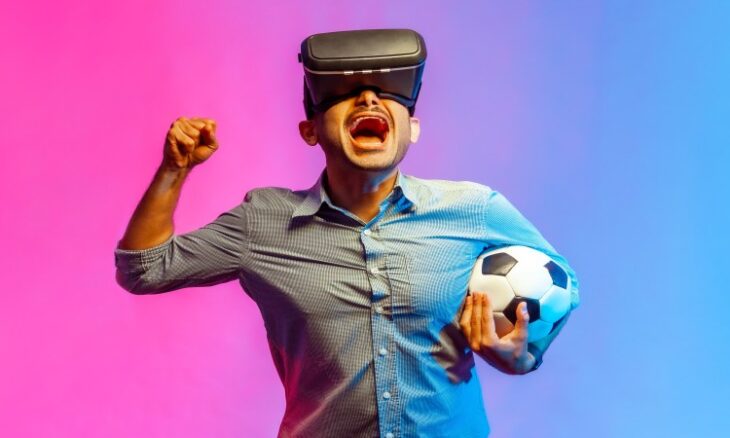
Virtual reality brings El Clásico to fans beyond the stadium
Spanish football’s most famous fixture has moved a step closer to a new digital future as LALIGA confirmed that around one thousand supporters experienced the October El Clásico through virtual reality rather than from inside the Estadio Bernabéu. The competition revealed that it quietly trialled an immersive viewing format during the match between Real Madrid and Barcelona, allowing selected fans to watch from remote locations while feeling as if they were seated close to the pitch. The league described the development as part of a wider effort to modernise how supporters consume elite football, with technology positioned as a core tool to reshape matchday engagement in the years ahead.
The experience depended on dedicated headsets and specially adapted camera systems designed to capture action for virtual environments. LALIGA indicated that premium filming equipment normally used in professional productions was adjusted to meet the technical demands of virtual reality, with the intention of preserving broadcast quality while creating a sense of depth and proximity that traditional television cannot provide. Supporters who took part followed every key moment of the game through the headset feed, witnessing the goals from Kylian Mbappé and Jude Bellingham, the equaliser from Fermín López, and the late disciplinary drama involving Andriy Lunin and Pedri, all while viewing from simulated prime locations rather than a conventional broadcast perspective.
Although the project was kept private at the time of the match, the league has now shared the results after assessing feedback. The internal evaluation concluded that engagement levels were high and that many participants reacted strongly to the immersive nature of the event. LALIGA believes this outcome demonstrates meaningful public interest in virtual viewing options and strengthens the argument that immersive formats could eventually become a normal part of sports broadcasting. The organisation sees potential not only in novel camera angles but also in emotional connection, since the headset experience attempts to replicate the tension, closeness, and spectacle of attending in person.
Attention has now turned towards the next phase of development. The competition expects to announce further innovations in 2026, including a dedicated application for extended reality devices offering content built specifically for immersive use. Spanish broadcasting regulations mean that only the competition itself can create and distribute live match technology of this type, although cooperation with clubs remains possible in areas such as promotion or additional content. As a result, any major breakthrough in virtual coverage is likely to be driven centrally by LALIGA rather than by individual teams.
The league has not yet revealed precise details of what future updates will include, but the direction appears clear. Industry observers anticipate gradual steps towards live virtual reality coverage of full matches, supported by technical refinement and improved consumer hardware. If successfully implemented, this could allow supporters worldwide to experience Spanish football in new ways, particularly those unable to travel to stadiums or access traditional broadcasting packages. The move also aligns with a broader global trend in sport, where immersive technology is increasingly viewed as a strategic asset rather than an experimental extra.
The initiative also reflects the priorities of the competition’s leadership. LALIGA’s president has repeatedly highlighted the need to appeal more effectively to younger audiences who consume entertainment differently from previous generations. The organisation has previously embraced camera innovation, enhanced graphics, and alternative broadcast formats to cater to changing viewing habits. It now views multi-camera storytelling, interactive environments, and digital participation as crucial tools for building long-term loyalty among Generation Z and emerging supporters who expect flexibility, personalisation, and richer interaction when watching football.
At the same time, the league sees technological progress as essential to strengthening its broadcasting value. More advanced viewing formats are considered a way to protect and increase the worth of media rights, ensuring that Spanish football remains competitive globally. By pushing forward with virtual and extended reality, LALIGA aims to create a more direct relationship with supporters while establishing itself as a leader in sports innovation. The October experiment, therefore, serves as both a technical milestone and a strategic signal, suggesting that immersive football viewing, once imagined as a distant concept, may move much closer to everyday reality within the next two seasons.