


Egypt Recreates Ancient Abu Mena Using AI and AR
The Egyptian Ministry of Tourism and Antiquities is deploying artificial intelligence alongside augmented reality technologies to construct a digital recreation of the Abu Mena archaeological site and the Saint Mina Monastery. The digital models will reflect the architectural design and spiritual environment that characterised the historical landmarks, located west of Alexandria, during the fifth century.
A recent government assembly evaluated progress on the digital restoration initiative. Minister of Tourism and Antiquities Sherif Fathy directed the proceedings. Ministry officials met with a delegation from the Egyptian Cabinet’s Information and Decision Support Centre. Essam Khodr led the technical delegation during the review.
During the operational review, Fathy established specific developmental parameters for the digital reconstruction. The project framework requires an interactive, storytelling-based experience. The development parameters demand a balance between precise historical accuracy and visual appeal. The completed digital application must convey the cultural and spiritual significance that defined the era. The minister also required the technical specialists to comply strictly with the established implementation timetable.
The project’s core objective is to take visitors on an immersive journey back to the fifth century AD. During this period, Abu Mena reached its peak regional importance. The ancient city operated as one of the primary pilgrimage centres for the early Christian faith. The digital model will focus entirely on recreating the municipal and religious environment of this specific period.
Developers are consulting an extensive array of primary historical resources to guarantee factual precision across the digital environment. The reference materials include original historical manuscripts and preserved municipal documents. The development team is examining physical records sourced directly from the Coptic Museum. They are cross-referencing this information with materials from the Greco-Roman Museum. Academic accounts provided by historical scholars form the final layer of reference material guiding the digital architects.
These verified historical sources feed into the generation of complex three-dimensional models. The computational mapping replicates the city’s ancient layout. The simulation extends beyond static architecture to include dynamic representations of civilian existence. The digital environment will depict authentic period clothing worn by the inhabitants. It will also illustrate the specific religious rituals practised by pilgrims visiting the historical centre.
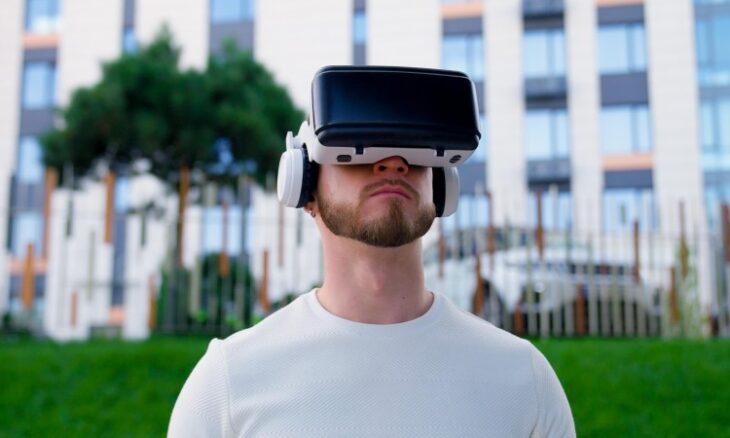
The digital content will reach the public through two distinct delivery platforms. Developers are constructing a dedicated interactive webpage to host the augmented reality experience for remote access. The same immersive digital models will be installed on physical viewing hardware located at the Abu Mena Visitor Centre.
The physical archaeological site originally developed around the tomb of Saint Mina. The historical ruins gained formal international recognition in the late twentieth century. UNESCO inscribed the site on the World Heritage List in 1979.
Rising groundwater levels began to threaten the structural integrity of the stone monuments in 2001. The saturated earth compromised the physical stability of the ancient foundations. This environmental crisis prompted the international heritage body to place the site on the World Heritage List in Danger.
The Egyptian government responded by initiating a comprehensive groundwater control operation. The civil engineering project required eleven years of continuous implementation to stabilise the subterranean environment. The water management infrastructure successfully eliminated the threat to the ruins. After successfully controlling water levels, the site was removed from the List of World Heritage in Danger in 2025. The location retained its primary World Heritage status throughout the environmental intervention.
The current digital restoration involves collaboration among multiple specialist organisations. Representatives from the technology firm DroneTech are responsible for conducting the spatial survey and creating the three-dimensional model. The Information and Decision Support Centre has supplied artistic directors from its Virtual Reality Unit. This unit has also provided digital preservation experts to support the reconstruction. Senior administrative officials from the Egyptian Tourism Authority are monitoring the initiative alongside representatives from the Supreme Council of Antiquities.