


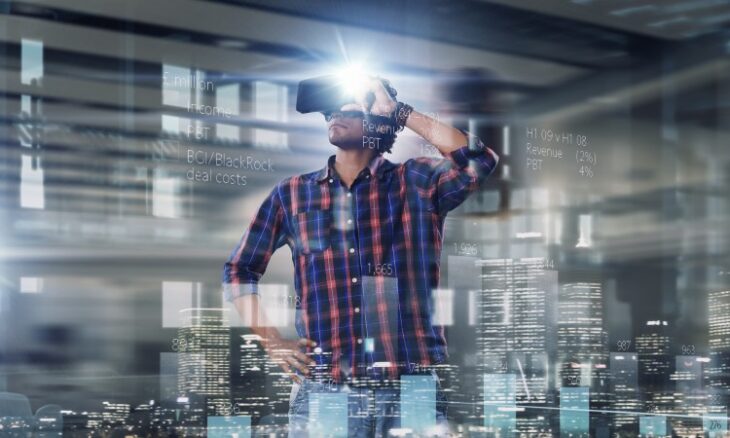
PICO Technology Used Across Cannes XR Showcase
PICO presented its virtual reality and mixed reality technology during the Festival de Cannes Immersive Competition, where several international projects used the company’s hardware for interactive and cinematic experiences.
The immersive section of the festival highlighted artists and studios working with new storytelling formats through virtual reality, projection systems, and mixed-reality environments. A number of productions selected for the event incorporated PICO headsets into their public presentations and development processes.
Among the largest installations at the festival was The Black Mirror Experience, a free-roaming virtual reality production based on the Netflix series. Developed by Banijay Live Studio and Univrse, the project adapted the television property into a large-scale interactive area where participants moved freely through a shared physical space while wearing VR headsets.
The experience placed visitors in a dystopian near-future setting inspired by the series’ themes. Participants progressed through the environment by making choices and interacting with digital elements that altered the experience’s direction. Each session varied according to the decisions made by individual users during the installation.
The Cannes presentation accommodated up to 66 people simultaneously during sessions lasting almost 40 minutes. The installation operated using the PICO 4 Ultra Enterprise headset.
The production team selected the hardware for its ability to support large numbers of participants within a shared roaming environment. The system’s inside-out tracking technology enabled users to move through the installation without external tracking sensors or complex physical infrastructure.
The experience was created on the XRoam platform, which supported the multi-user roaming system used during the exhibition.
PICO hardware was also featured in Yellowfin, which premiered at the 79th Festival de Cannes. The 360-degree cinematic VR production was directed by E del Mundo and produced by Screen Asia and Create Cinema.
The film followed Popi, a Filipino fisherman returning from imprisonment in Indonesia, who discovered that his wife had established a new family during his absence. He then travelled across the Celebes Sea, where encounters with a stranded Indonesian coast guard officer, hidden gold and a wounded mermaid gradually obscured the boundary between reality and mythology.
The production combined documentary-style imagery with fantasy elements to investigate themes of overfishing, ecological damage, consumerism, and isolation within coastal communities.
More than 100 PICO headsets were synchronised with external surround-sound speakers during the screening. The arrangement created a shared immersive cinema setting designed for large audiences attending the competition.
The production team used the headset system to support communal viewing while maintaining visual sharpness and user comfort throughout the presentation. The setup also allowed audiences to experience the story within a fully immersive virtual environment.
Another project associated with PICO technology was The Pirate Queen: No Safe Waters, which also premiered within the festival’s immersive competition programme.
The experience was written, directed, and produced by Eloise Singer, with Lucy Liu serving as producer and narrator. The story focused on Cheng Shih, the historical pirate leader who rose from social marginalisation to command a large fleet operating in the South China Sea.
The production followed the earlier release of The Pirate Queen VR, which previously received awards at Tribeca and Raindance and later received Emmy and PGA nominations.
Unlike the earlier VR production, the Cannes installation used four-wall and floor projection mapping rather than headsets for audience viewing. PICO devices were used during the development phase to assess the installation’s spatial design before the final venue became available.
The technology allowed the creative team to review scale, pacing, audience positioning and perspective within a virtual representation of the exhibition space. This process assisted in planning for the projection-based presentation used at Cannes.
Founded in 2015, PICO develops VR and MR hardware for creators, businesses and location-based entertainment operators involved in immersive media and interactive productions.
The festival additionally featured the Hybrid Immersive Destination Framework, an operational system developed by UNIVRSE and XRoam in partnership with OASIS Immersion.
The framework was designed to allow projection-based immersive exhibitions and location-based virtual reality experiences to operate within the same modular infrastructure. Venues using the system could adjust layouts to meet different exhibition requirements.
Within the framework, PICO headsets were used for the location-based VR component. The system relied on inside-out tracking technology to support spatial tracking while lessening the need for permanent tracking markers and complex setup procedures.
The tracking process used projected reference points for maintaining spatial accuracy throughout the exhibition environment.
After its presentation at the Marché du Film’s Immersive Market, the framework was prepared for public deployment at OASIS Immersion in Montréal through BODYVERSE, an interactive scientific storytelling experience intended for audiences of different age groups.
Other recent productions using PICO hardware included L’Ombre, a live mixed reality stage production selected for Venice Immersive, the XR section of the 82nd Venice International Film Festival of La Biennale di Venezia.


