


UJ Brings Ancient Melville Koppies Furnace to Life in AR
An augmented reality experience created by the University of Johannesburg is digitally reconstructing an ancient iron furnace at Melville Koppies, giving visitors a view of Johannesburg’s history before the 1886 gold rush. Northcliff Melville Times reported on the project after Museum Africa in Newtown presented the reconstruction on Heritage Day on 24 September.
The furnace dates from between 1060 and 1580. It provides evidence of sophisticated iron-smelting technology used by communities that lived in the area centuries before Johannesburg became a mining city. The remains also form part of a much older record of occupation in the region.
The communities associated with the furnace are understood to be ancestors of present-day Sesotho- and Setswana-speaking communities. The furnace therefore provides evidence not only of early iron production but also of technological knowledge maintained by communities that lived in the area long before Johannesburg developed around gold mining.
Producing a single iron implement took 16 hours. The process depended on generations of accumulated knowledge passed down through apprenticeships between skilled elders and younger community members. This knowledge supported iron production through a process that required specialised skill and sustained work.
Iron production also involved the wider community. Different people contributed to the process and decided which implements were required. The community therefore connected the work to its needs and the surrounding environment.
The furnace adds to Johannesburg’s history, which predates the city’s establishment as a gold-mining town in 1886. While 1886 marks the founding of Johannesburg as a gold-mining town, occupation in the wider area extends tens of thousands of years into the past. The Melville Koppies furnace represents a later period in that longer history and provides evidence of technological activity before the mining era.
Researchers developed the augmented reality reconstruction to establish how the surviving furnace structure may have functioned. The University of Johannesburg worked with historians, archaeologists, architectural heritage specialists, the Friends of Melville Koppies Committee and other contributors to create a plausible reconstruction based on the available evidence.
The process involved uncertainty about aspects of the furnace that the surviving structure can no longer establish. Experts from different fields examined the available evidence and considered how the furnace could plausibly have operated. The reconstruction therefore represents an interpretation of the surviving archaeological evidence rather than a record of every detail of its original use.
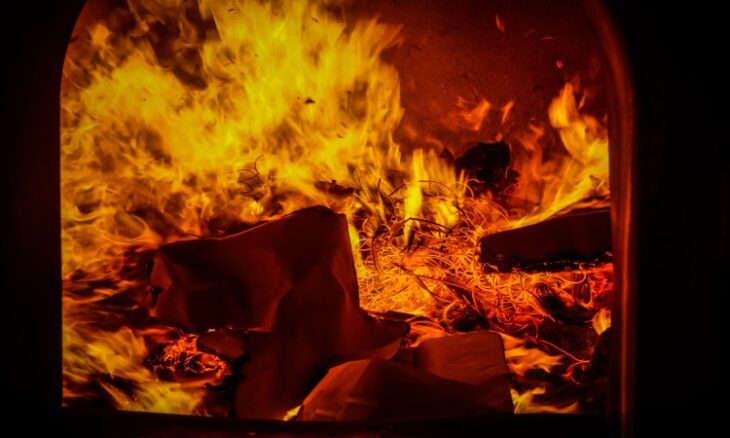
The digital experience shows the furnace in operation, including flames and the production of iron implements. It gives visitors a visual representation of how the structure may have appeared while iron was being produced.
The reconstruction also highlights the level of skill and deliberate work involved in pre-colonial African iron production. Evidence of extended production times, specialised knowledge, and apprenticeship demonstrates the technical processes associated with the furnace.
The project places this technology within the broader history of the communities that lived around Melville Koppies. It also offers a way to present archaeological evidence of a period in Johannesburg’s history that predates the city’s mining origins.
For present-day residents, the experience connects the ancient furnace with the history of the city they live in. The reconstruction is also presented in a language familiar to at least one Setswana-speaking visitor, providing a direct link between the digital presentation and the communities connected to the furnace.
The furnace remains an archaeological record of iron-smelting activity dating back several centuries. Its augmented-reality reconstruction lets visitors see how the structure may have operated and how iron implements were produced, while placing the site within Johannesburg’s much longer history before the discovery of gold.