


Scent-Enhanced Virtual Reality Reduced Negative Mood
A study in Frontiers in Psychology found that scent-enhanced virtual reality reduced negative emotions immediately after use among active-duty U.S. Navy personnel. However, its impact to improve mood, stress, or thinking skills over a longer two weeks is limited. The study tested if adding scent to virtual nature could improve mental health at work.
The study looked at isolated and limited environments. These places cause stress and affect thinking. Astronauts and military personnel often work in such settings with little access to nature. Lack of sensory input can raise the risk of mental health problems, especially when focus and problem-solving are important.
Naval personnel meet challenges that disrupt sleep and recovery. These issues increase mental stress. Solutions must work in settings with limited resources and little access to the outdoors.
Virtual reality can lower stress and lessen anxiety by recreating natural sights and sounds. Most VR systems do not use smell because it is hard to deliver scents in sync. Smell links closely to emotions and thinking. The researchers tested if adding scent could improve the mental benefits of VR.
The study ran for two weeks with 29 active-duty U.S. Navy personnel aged 18 to 64. All were healthy and their smell capability was normal. After boarding a warship and filling out questionnaires, they were randomly assigned to a control group, an audiovisual VR group, or a scent-enhanced VR group. Six did not finish because of work demands.
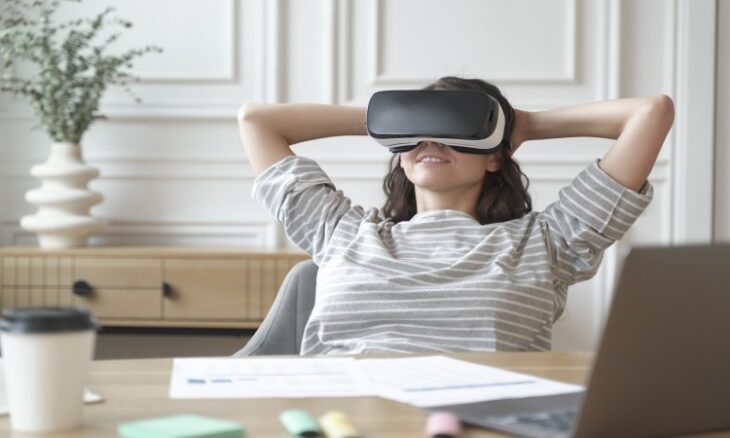
Participants in the two VR groups completed four nature sessions. Each session lasted about 30 minutes, with 15 minutes of VR. They chose and explored different virtual environments, then completed surveys and gave feedback. Sessions took place in a set area with a research assistant. The intervention used HTC Vive Pro Eye headsets, controllers, and 3D audio. This scent group received timed scents matched to the virtual environments. The protocol included a familiarisation session, then assessments at baseline, midpoint, and end. Cognitive tests and questionnaires were done at familiarisation and baseline. Mood and intellectual performance were checked later. All participants completed an exit survey.
Immediate changes in emotions were small. Only the scent-enhanced VR group reported less negative emotion after sessions. Positive emotions did not change in either group. Participants in both groups stayed aware of their real surroundings while wearing the headsets. Those using standard audiovisual VR reported slightly stronger feelings of being in the virtual world. The differences between the two groups were not significant.
There were no lasting improvements in mood or stress during the two-week study. Results were similar in all groups. Participants with higher resilience reported lower stress and negative feelings in all groups.
Thinking skills showed little change. Neither VR treatment improved speed nor accuracy across time. Higher resilience linked to better performance on some tasks. Small declines appeared in recognising emotions, alertness, and risk-taking. These changes were minor and inconsistent.
Participants generally liked the VR sessions. Most found them relaxing and enjoyable and would use them again. The forest was the favourite virtual environment. This scent group found the timed scents memorable. These scents brought up personal memories and made the virtual worlds more compelling.
The findings showed that scent-enhanced virtual reality may reduce negative mood in the short term in isolated work settings. It did not show lasting mental or thinking benefits over two weeks. The long-term effects of repeated use are still unclear.


