


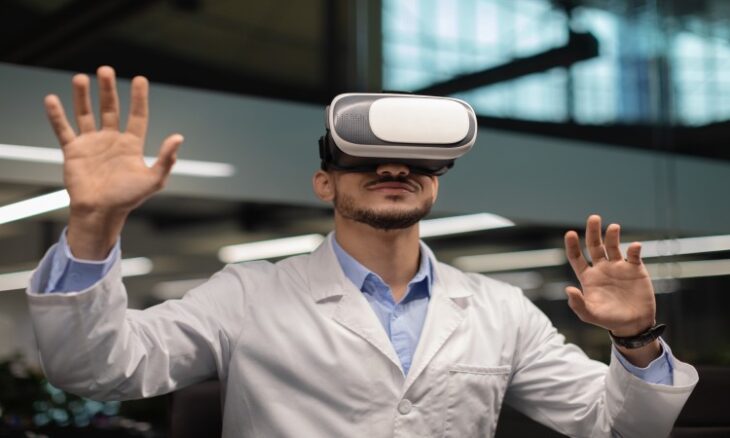
Meta Pauses Horizon OS Sharing With Hardware Partners
Meta has halted plans to share its Horizon OS with third-party hardware manufacturers, placing previously announced collaborations with partners such as Asus and Lenovo on indefinite pause. The decision marks a notable shift away from the company’s earlier ambition to position Horizon OS as a broadly adopted platform for the extended reality sector, comparable to Android’s role in smartphones. Instead, Meta is now consolidating its efforts around first-party hardware and software development as competition intensifies across the mixed reality market.
The move reflects a reassessment of priorities within Meta’s Reality Labs division. By narrowing its focus, the company aims to strengthen the core performance and reliability of its own devices before expanding the operating system to external manufacturers. Executives have indicated that delivering a consistent and high-quality user experience in virtual and mixed reality requires tight integration between hardware components, sensors, tracking systems, and software optimisation. Managing that level of coordination across multiple third-party designs was seen as a risk to overall platform stability.
Virtual reality places particularly demanding constraints on system performance. Even minor delays in tracking or rendering can disrupt immersion and lead to discomfort for users. Supporting a wide range of hardware configurations would increase complexity and heighten the risk of fragmentation, potentially undermining confidence in the platform. By retaining full control over device specifications, Meta believes it can better refine Horizon OS and address these technical challenges more effectively.
The pause has direct consequences for partners that were already developing devices around the operating system. Asus had been working on a gaming-oriented headset, while Lenovo was exploring mixed reality hardware aimed at productivity, education, and entertainment use cases. These projects, which were announced publicly only months earlier, are now effectively suspended. The lack of recent updates on the partner programme had already raised questions within the industry, and the sudden shift suggests that unresolved technical or strategic barriers emerged during development.
Other potential collaborators were also affected by the change in direction. Microsoft had been cited as a possible participant through its Xbox brand, indicating that the scope of the original initiative was broad. For partners, the decision represents more than a strategic setback, as significant research and development resources may have been committed without a clear path to market.
The timing of Meta’s decision coincides with increased competitive pressure following Google’s entry into the space with Android XR. Backed by the existing Google Play ecosystem, Android XR offers hardware makers access to a large developer base, established monetisation channels, and familiar development tools. This combination could prove attractive to manufacturers seeking faster deployment and lower barriers to adoption, altering the balance of power in the mixed reality landscape.
Against this backdrop, Meta appears to be prioritising control and differentiation over rapid ecosystem expansion. Concentrating on first-party devices allows the company to avoid a direct platform confrontation while it continues to refine Horizon OS. This strategy also aligns with reported internal cost pressures, including potential reductions in funding for metaverse-related initiatives. In a more constrained financial environment, focusing on projects with clearer oversight and returns has become increasingly important.
Looking ahead, the shift suggests a longer and more deliberate development timeline for Meta’s hardware roadmap. Internal expectations indicate that the next major mixed reality headset may not arrive until 2027, with the current Quest line remaining central to the company’s offering for several years. A more advanced, gaming-focused successor is also under development, intended to deliver a substantial performance leap rather than incremental updates through multiple partner devices.
The broader organisational direction reinforces this approach. Meta has confirmed that investment is being redirected from certain metaverse projects toward artificial intelligence-driven glasses and wearable technologies, areas where consumer interest and practical use cases appear to be developing more rapidly. This recalibration reflects a pragmatic response to market signals rather than a complete retreat from virtual reality ambitions.
Despite the suspension of third-party sharing, Meta has stated that it may revisit partnerships in the future as the category matures. For now, the emphasis remains on proving the strength of Horizon OS within a tightly controlled hardware environment. Recent efforts to broaden content offerings, including entertainment applications such as Disney+ on Quest devices, highlight a focus on use cases that can drive near-term engagement.
The decision underscores the broader challenges facing the XR industry in 2025. Competing visions are emerging, with some companies pursuing vertically integrated models while others prioritise open platforms. Meta’s consolidation may yield a more polished experience in the short term, though it could also limit hardware diversity. Whether this strategy accelerates mainstream adoption or allows competitors to gain ground will depend on how effectively Meta can translate focus into innovation in the years ahead.