


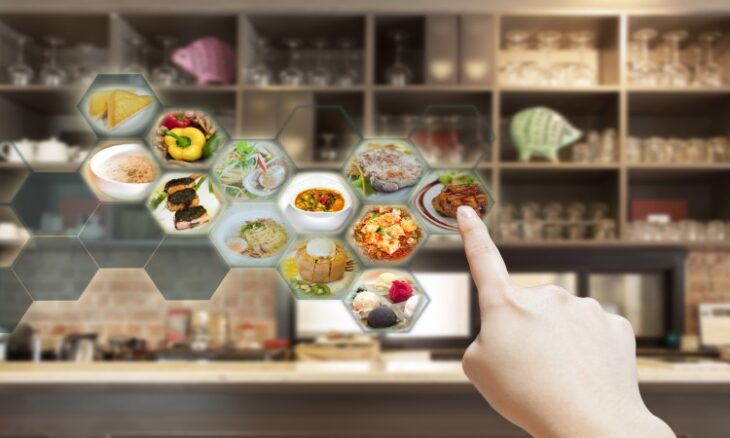
Augmented Reality Menus Improve Restaurant Appeal
AR menus let restaurants share food details and engage customers more effectively, says a Washington State University study. Published in the International Journal of Hospitality Management, the research found AR menus boost customer visit intentions and positive word of mouth compared with traditional or QR formats.
Led by Soobin Seo of the Carson College of Business, the research examined whether AR could improve how restaurants present farm-to-table details, such as ingredient sourcing and food production. The study addressed demand for food disclosure and assessed how presenting this information affects customer understanding, engagement, and perceptions. Experiments reflected real dining scenarios. In the first, participants viewed one of the three menu types for a simulated local restaurant: printed, QR-code, or AR menu. The AR menu lets users view 3D dish images on their smartphones and select ingredients to view sourcing details.
Participants who used the AR menu reported a stronger intention to visit the restaurant than those who viewed the other formats. They also indicated a higher likelihood of sharing the information with others. The key benefits included:
- Greater immersion in the dining experience, making menu exploration more memorable
- Increased feeling of being informed about food and its origins, enhancing decision-making
- Improved attention and learning due to the interactive presentation
These findings suggest that AR menus make information more engaging and accessible for customers.
The second study compared how AR menus affect perceptions at Panera Bread and McDonald’s, two brands with distinct health reputations. Researchers reviewed how AR-based farm-to-table disclosure changes perceived healthfulness and willingness to visit the restaurant.
Results showed AR menus improved brand perceptions at both companies by increasing perceived healthiness and visit intention, especially for McDonald’s. Supplying transparent, interactive information primarily benefits brands that are not usually seen as healthy, making them seem healthier and encouraging visits.
The research found AR menus work best when matched to a restaurant’s brand image. Strategic fit is necessary; technology that aligns with a brand identity is more likely to boost customer perceptions.
While AR menus remain relatively uncommon in the restaurant industry, the study noted that the technology is becoming progressively accessible and feasible. These menus can enhance the dining experience by helping customers visualise dishes before ordering. Lower-cost development tools now enable restaurants, including independent operators, to experiment with AR without significant investment. This makes the adoption of this technology more practical, cost-effective and accessible for businesses of different sizes.
Beyond marketing, researchers suggested AR menus could support eco-friendly practices. Greater sourcing visibility can prompt transparent supply chains, stronger ties with local producers, and clearer ingredient information. Transparency, community ties, and informed choices improve the dining experience for restaurants, customers, and communities.
The study was conducted by Soobin Seo with Jiyoon (Jennifer) Han of the University of Massachusetts Amherst and Elizabeth Howlett of Washington State University. It builds on Han’s doctoral work at Washington State under Seo’s supervision.