


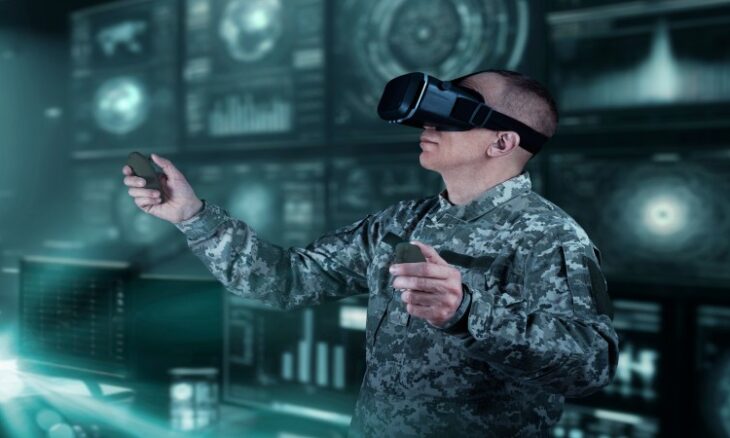
Ukraine Turns to VR to Train Troops and Support Veterans
Ukrainian defence forces are increasingly using virtual reality (VR) technology to strengthen combat training and support psychological recovery. The approach is now being applied in both preparation for frontline duties and rehabilitation after deployment. As the war continues, military leaders are turning to modern tools that can help sustain readiness while also addressing the mental strain experienced by service members.
VR is being positioned as a practical solution for two urgent needs: training new recruits more effectively and helping experienced soldiers adjust after leaving active combat zones. This dual-purpose use reflects a broader shift in how Ukraine’s Armed Forces handle learning, preparation, and emotional support. The long-running conflict has pushed the military to adopt systems that can be scaled quickly, adapted for different roles, and delivered within a structured routine.
Within training programmes, VR is being used to simulate combat conditions that would otherwise be difficult, costly, or unsafe to reproduce in real life. Drone operators and infantry units are among the groups using these simulations. The systems create environments designed to mirror real battlefield situations, allowing trainees to practise decision-making under pressure and build confidence in controlled conditions. In many cases, VR exercises also help reduce the gap between classroom instruction and real deployment.
Participants typically complete short adaptation courses lasting three days. These sessions are designed to deliver focused learning without pulling units away from other responsibilities for extended periods. The training method aims to provide rapid skill-building, while also ensuring soldiers become familiar with scenarios they may face soon after joining operational duties.
A key feature of the programme is that the VR software has been developed by Ukrainian specialists. This local development allows the simulations to reflect the real experiences, terrain challenges, and tactical needs relevant to Ukraine’s forces. Rather than relying on generic military training packages, the system can be tailored to the realities of current operations and adjusted as battlefield conditions change.
Military staff involved in the programme report that the headsets create a strong sense of immersion, placing soldiers inside the simulated environment and requiring active participation in combat-style tasks. This immersive element is seen as one of VR’s strongest advantages, as it encourages users to react instinctively and treat the simulation seriously. Supporters of the technology argue that this realism can improve learning outcomes and reduce hesitation during real engagements.
Officials also point to VR’s broader role beyond basic training. The same technology is being used to assist with psychological rehabilitation, especially for veterans returning from high-intensity combat exposure. The goal is to help service members process stress, regain stability, and ease the transition away from constant danger and alertness. Rehabilitation support remains a critical issue, as prolonged conflict can create long-term emotional fatigue and trauma for those repeatedly deployed.
Ukraine’s Defence Forces have reportedly been experimenting with VR systems for several years, but the war has accelerated their adoption and expanded their role. What may have once been seen as an optional training tool has become a more central part of modern military preparation. As operational demands grow, VR provides a way to train more people with fewer physical resources while still maintaining structured, repeatable learning exercises.
The continued integration of virtual reality into both training and rehabilitation reflects a growing belief that military strength depends on more than equipment and numbers. Readiness also relies on skilled decision-making, clear communication, and mental resilience. By combining skill development with recovery support, Ukraine’s Armed Forces are using VR as part of a wider effort to modernise military education and strengthen wellbeing systems.
This trend highlights how technology is reshaping national defence planning during modern warfare. For Ukraine, VR is being treated as a tool that can improve performance on the battlefield while also supporting long-term recovery. In a conflict defined by rapid adaptation and high stress, such innovations are increasingly viewed as essential for sustaining defence capability and protecting the people who serve.